Warning the SSPX of excommunication if the episcopal consecrations are carried out, Cardinal Fernández has publicized Pope Leo XIV’s request that the Society “reconsider the very grave decision they have made.”
After many weeks of public silence from the Holy See regarding the Society of Saint Pius X’s planned episcopal consecrations, a statement was issued on May 13 containing the Vatican’s forceful warning.
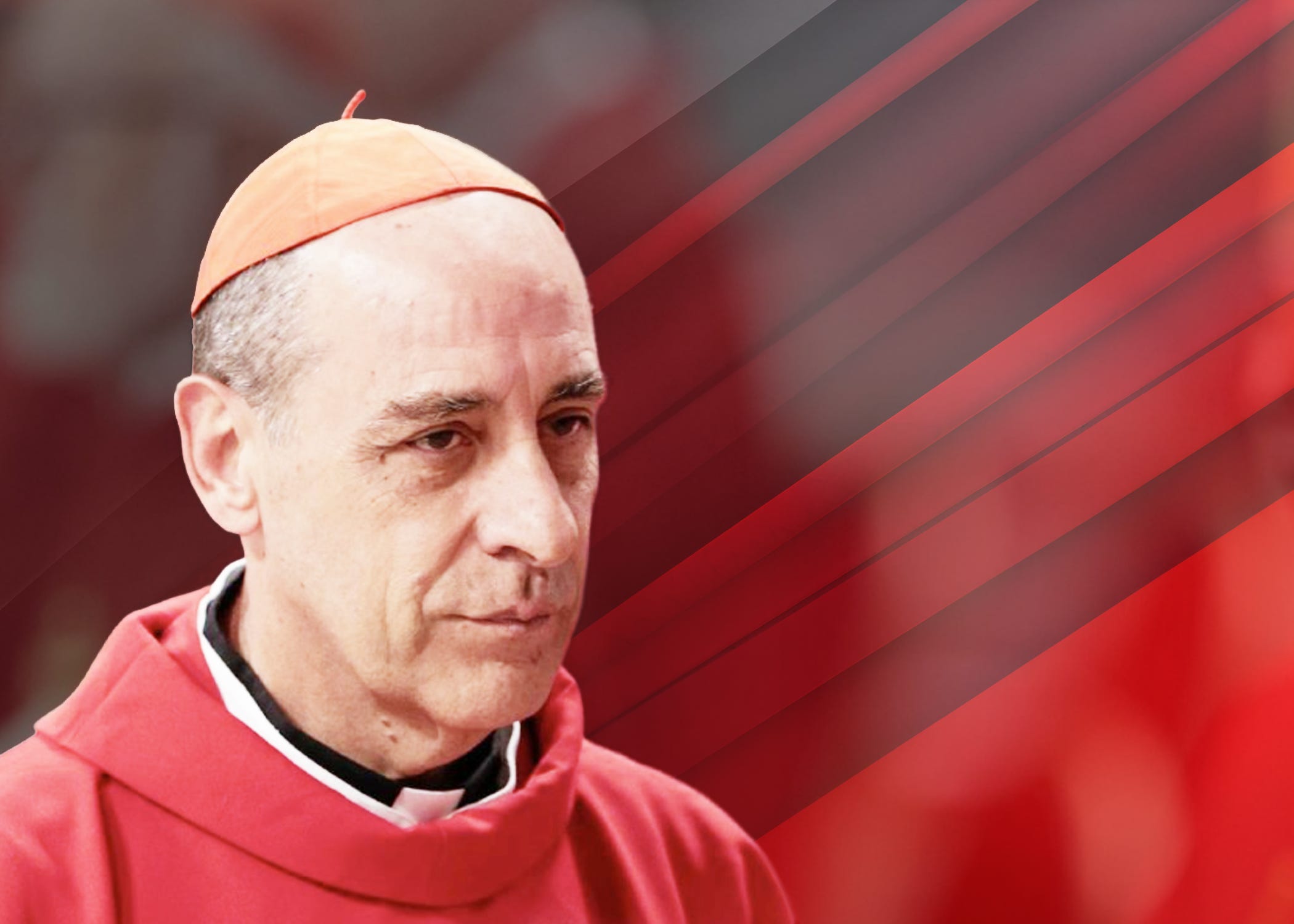
Issued first in Italian by Cardinal Victor Manuel Fernández, the noted expressed the Holy See’s firm opposition to to the SSPX’s July 1 episcopal consecrations, and made clear that the penalty of excommunication would be incurred.

The note from the prefect of the Congregation for the Doctrine of the Faith read:
“With regard to the Priestly Fraternity of St. Pius X, we reiterate what has already been communicated. The episcopal ordinations announced by the Priestly Fraternity of St. Pius X do not have the corresponding papal mandate. This act will constitute “a schismatic act” (John Paul II, Ecclesia Dei, n. 3) and “formal adherence to schism constitutes a grave offense against God and entails the excommunication established by the law of the Church” (ibid., 5c; cf. Pontifical Council for Legislative Texts, Explanatory Note, August 24, 1996).
The Holy Father continues in his prayers to ask the Holy Spirit to enlighten those responsible for the Priestly Fraternity of St. Pius X so that they may reconsider the very grave decision they have made.
Fernández cited Pope John Paul II’s Apostolic Letter Ecclesia Dei, positing the SSPX’s upcoming consecrations as identical to those of 1988.
In light of the 1988 consecrations, John Paul II declared that the consecrating bishops, and those receiving the order of bishop, “have incurred the grave penalty of excommunication envisaged by ecclesiastical law.” Arguments for the validity of such an automatic excommunication have been hotly rejected by the SSPX throughout the decades, and as equally passionately made against the Society by its critics – including recently with the upcoming July 1 consecrations.
As for who the 2026 excommunication penalty would be levied against, although Fernández did not specify, it would most naturally be against the bishops performing and receiving the consecrations if the Vatican is looking – as it apparently is – to just repeat the scenario of 1988.
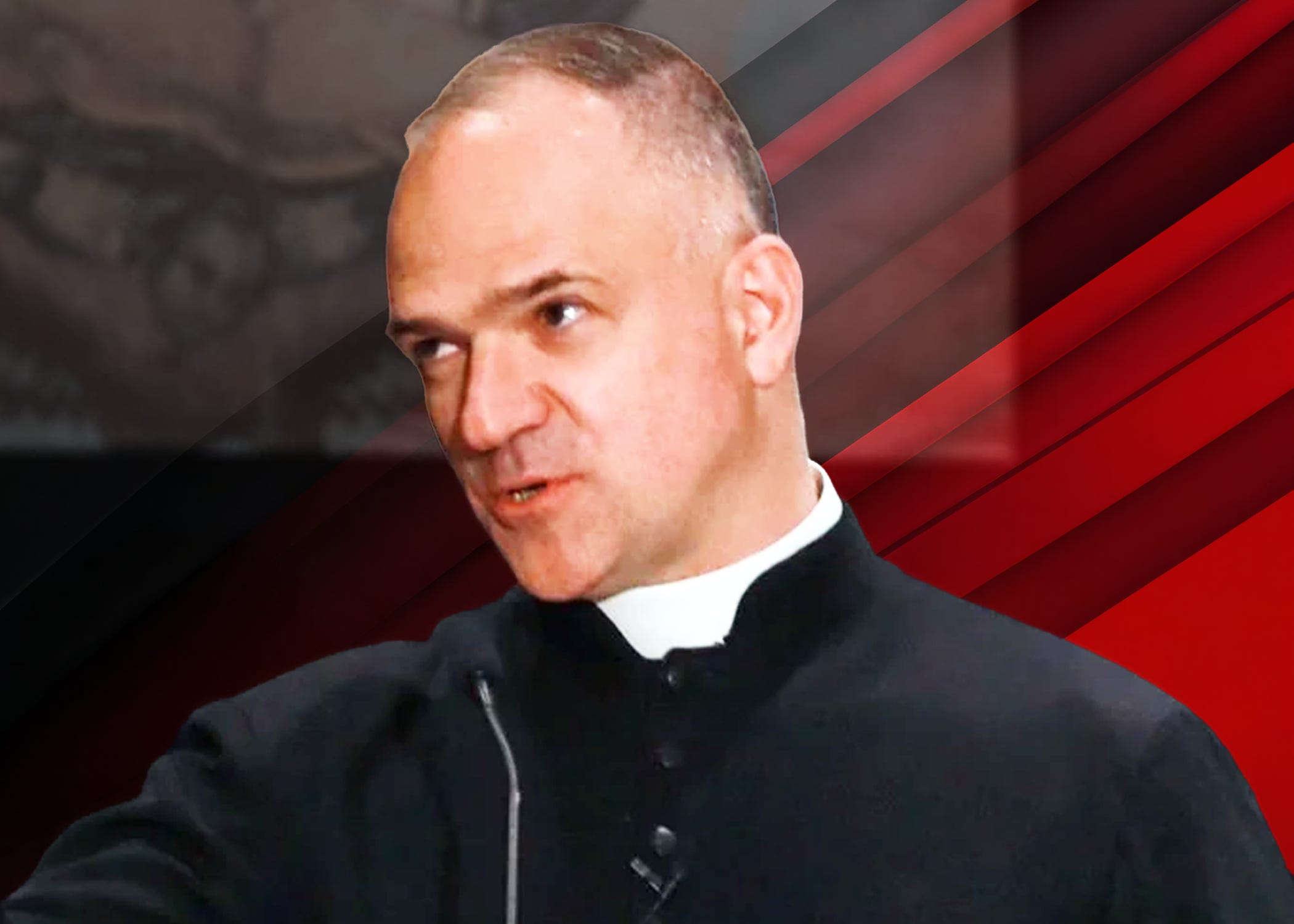
The Holy See’s note marks its first intervention since the SSPX rejected the Holy See’s proposed terms of dialogue in late February. At the time, SSPX Superior General Fr. Davide Pagliarani explained his decision by attesting that there is a “shared recognition that we cannot find agreement on doctrine.”
Under the Vatican’s terms for dialogue, the SSPX would have had to agree to postponing the July 1 episcopal consecrations. During Pagliarani’s February 12 meting with Fernández the pair also discussed, according to the Vatican, “the difference between an act of faith and ‘religious submission of mind and will,’ or the different degrees of adherence required by the various texts of the Second Vatican Council & its interpretation.”
But responding publicly afterwards, Pagliarani highlighted unconquerable differences between the parties. “We both know in advance that we cannot agree doctrinally, particularly regarding the fundamental orientations adopted since the Second Vatican Council,” he wrote. “This disagreement, for the Society’s part, does not stem from a mere difference of opinion, but from a genuine case of conscience, arising from what has proven to be a rupture with the Tradition of the Church.”
Pagliarani has also noted his sadness at requests for an audience with Pope Leo XIV not being actioned – requests which date back to August of last year. With the Pope now seemingly formally consigning the entire affair to Fernández, it is very unlikely that any positive dialogue between the Holy See and the SSPX can take place, given that Fernández was identified by the Society as a key source of doctrinal and moral concern.
The SSPX has cited the “state of emergency” as the reason for the upcoming episcopal consecrations, and Pagliarani attested in March that it is “much worse” than that identified by the Society prior to the 1988 episcopal consecrations.

“The decisions taken by Pope Francis are catastrophic,” said the Superior General. “Yes, catastrophic. Traditional morality regarding marriage has been ruined. It has collapsed. Always in the name, of course, of understanding, of listening, of the ability to adapt. And we thus come to justify everything.”
He added that to turn a blind eye to such an ecclesial crisis “is almost a sin against the Holy Spirit to deny that there is a major problem against which we must defend ourselves.”
Commentators and prelates have been divided in their stance for the SSPX. But the Society is not alone in identifying grave concerns present in the Church today.
Bishop Athanasius Schneider of the Archdiocese of Astana has also pointed to the same issues, opening that “only divine intervention can help, such as through massive persecution of the Church and the person of the Pope himself by political, anti-Christian global elites.”
Interviewed in recent days, Schneider stated how “the current situation of the Church can only be described as a true state of emergency, which the SSPX rightly states,” adding that “anyone in the Church who still denies the true state of emergency today is either spiritually blinded or considers the naked emperor to be decently dressed.”
The Society has not yet publicly responded to the Holy See’s May 13 statement.